
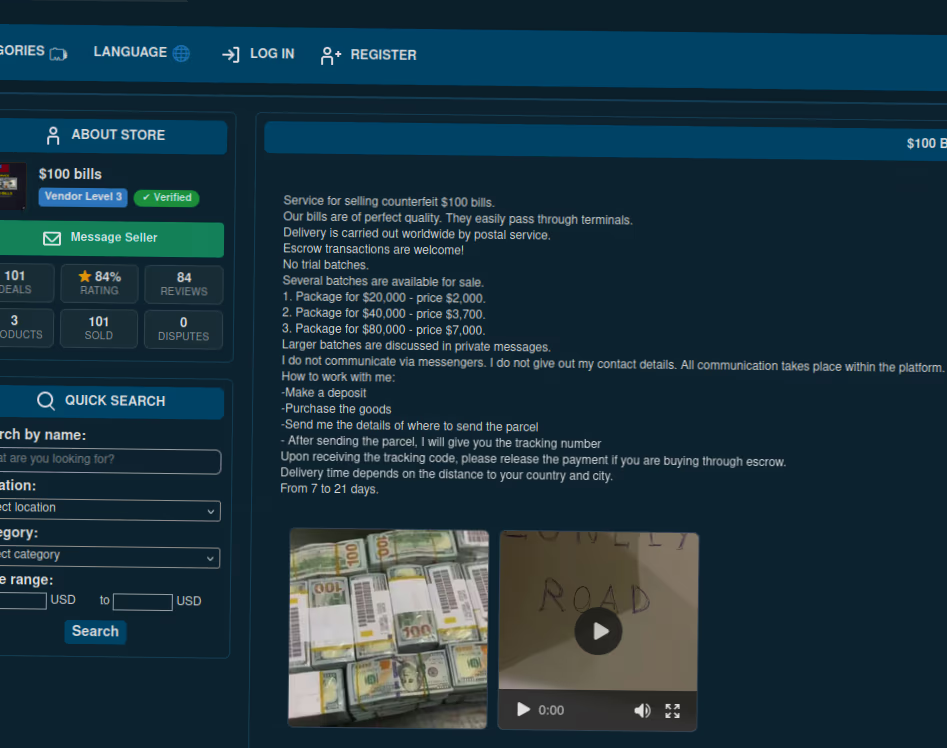
In early 2025, a 29-year-old named Derek H., residing in Denver, Colorado, was in search of a fast cash fix. He discovered a darknet site that was selling counterfeit currency—specifically, 40 counterfeit $100 bills from the 2009 series—paying $1,200 in cryptocurrency. The seller claimed these notes were so expertly made that they were nearly indistinguishable from the real deal, complete with features like UV protection, magnetic strips, and watermarks. You might think he was onto something brilliant, right? Let’s dive into how Derek's plan fell apart.
Derek's strategy was straightforward: he intended to deposit the fake cash into ATMs that accepted such transactions. The machines would verify the bills and add the amount to his bank account, enabling him to withdraw or move the money, thus converting phony cash into actual digital funds. Did you think this would be a seamless process? Let’s explore what happened next.
The details of Derek's purchase can be found on the website where the purchase was made.
In short
- Counterfeit schemes often seem easy but can lead to serious trouble.
- Derek's initial success quickly turned into a nightmare.
- Banking systems are designed to catch suspicious transactions.
- Think twice before attempting anything illegal for quick cash.
- Real money trumps counterfeit any day.
The Initial Success
Derek's initial attempts were surprisingly smooth. Here’s a quick breakdown of his experience:
- First ATM: Accepted the bill without any issues, credited $400 to his account.
- Second ATM: Did the same, adding another $400.
- Third ATM: It decided to turn him down, returning one bill with an error.
- Fourth ATM: Accepted one more bill but marked the transaction as "pending review."
After these transactions, Derek had successfully deposited a total of $800 into his account. You might think he struck gold, but the best was yet to come—or not.
The Downfall
So, what went wrong in this seemingly perfect plan? Well, the next morning, Derek woke up to a rude surprise: his bank account was frozen. After three weeks of investigation, the U.S. Secret Service came knocking, arresting Derek for his counterfeit activities.
The bank's review process had detected the red flags. The pending review on his last transaction was the tipping point that led to a thorough investigation.
Here’s a quick recap of the timeline:
- January 2025: Derek makes the purchase.
- First two ATM transactions go smoothly.
- The bank flags the fourth transaction, leading to an investigation.
- February 2025: Derek's account is frozen.
- March 2025: Arrested by U.S. Secret Service.
It’s a classic case of underestimating the scrutiny of modern banking systems. Who knew trying to deposit counterfeit cash could lead to such chaos?
Final Thoughts
Derek H. found himself in quite the mess when he tried his hand at counterfeiting. What began as a seemingly brilliant idea fell apart under the scrutiny of banking regulations and law enforcement. Remember, even if it looks like a quick way to earn some cash—nothing beats the authenticity of real money.
If you're tempted to explore the realm of fake currency, think again. The dangers linked to using anything from prop money to counterfeit bills far outweigh any supposed benefits. Stay wise and make sound choices when it comes to your finances!