
Key Services on Tor
Nexus Market
Nexus Market — A secure marketplace with multi-signature transactions and active vendors.
ums7mctigzemj3thj7nihnbpdb4evkvwvdfd3obodu2iv2q3s522aiyd.onion
Professor Mariarti
Professor Mariarti — Explore opportunities and warnings from an online expert.
LONELY ROAD
LONELY ROAD — A unique marketplace with AI support and diverse payment options.
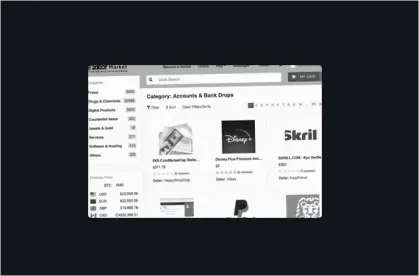
Tor2Door Market
Tor2Door Market — A user-friendly marketplace that prioritizes privacy and security.
ytjm2aoy6o65si4xs3ltqs5jbkzyefvzlyzi4u3srqlljlcdhd6bojqd.onion
ProPublica
ProPublica, a nonprofit newsroom, provides investigative journalism on Tor, allowing sources to connect securely and anonymously.
A darknet website is part of the dark web, accessible only via anonymizing networks like Tor or I2P12. It’s intentionally hidden, often using ".onion" addresses for Tor-based services3. Access itself isn’t illegal, but many such sites host illicit activities4.
Curated .onion Links for Legal and Neutral Darknet Websites
| Type | Link | Description | Safety Notes |
|---|---|---|---|
| News | http://example1.onion | Anonymous news source | Verify before trusting. |
| Libraries | http://example2.onion | Access to hidden books | Use VPN for extra safety. |
| Forums | http://example3.onion | Discussion on various topics | Avoid sharing personal info. |
| Tools | http://example4.onion | Privacy tools and resources | Check for updates regularly. |
What Is a Darknet Website?
A darknet website is a specific part of the dark web, which is only accessible through specialized overlay networks such as Tor, I2P, or Freenet12. These sites are intentionally hidden from standard search engines and require unique software to access. Most notably, Tor-based darknet sites often use ".onion" domain extensions, which are essential for maintaining user anonymity while browsing3.
To understand the context of darknet websites, it's useful to differentiate between the surface web, deep web, and dark web:
- Surface Web: This is the portion of the internet indexed by traditional search engines like Google. It comprises about 4% of the total internet content.
- Deep Web: This includes all unindexed content, such as private databases, intranets, and other resources that are not accessible via standard search engines. The deep web is significantly larger than the surface web, estimated to be 400–500 times its size5.
- Dark Web: This is a subset of the deep web that contains intentionally hidden websites requiring specific software for access. While the size of the dark web is difficult to quantify, it is known for hosting both legitimate and illegitimate activities52.
Accessing the dark web is not illegal in itself, but many darknet websites are associated with illicit activities, making them a focus of law enforcement4. If you're considering exploring these sites, ensure you understand the risks and take appropriate precautions, such as using a VPN for added security.
How Darknet Websites Work
Darknet websites operate on overlay networks like Tor and I2P, which are designed for anonymity. These networks route internet traffic through multiple relays, obscuring users' locations and usage patterns. Tor, for example, was originally developed for U.S. military personnel to ensure secure communications4. By using the Tor Browser, you can access .onion sites that are not reachable through conventional browsers.
.onion links are generated through a unique system that ensures anonymity for both users and service providers. These links are not indexed by traditional search engines, meaning you won't find them on Google or Bing. Instead, you typically locate them through specialized directories or forums dedicated to the dark web, such as The Hidden Wiki36.
It's essential to note that while accessing the dark web is legal, many activities on these sites are illegal, which can pose risks to users4. This is why specialized browsers like Tor are necessary; they replace standard HTTPS with their own encryption protocols to protect user data.
When navigating these networks, remember that the absence of HTTPS does not mean a lack of security. Instead, Tor's encryption ensures that your connection remains private and secure. However, this setup does require a bit of caution. For instance, relying solely on public Wi-Fi for accessing dark web sites can expose you to additional risks. Always consider using a VPN alongside Tor for extra layers of security.
In summary, to access darknet websites effectively, you need to use the appropriate tools—like the Tor Browser—and understand the unique characteristics of .onion links. Be mindful of the legal and security implications as you explore this hidden part of the internet.
How to Access Darknet Websites
Accessing darknet websites requires specific steps to ensure both functionality and security. Here’s a straightforward guide to get you started.
Step-by-Step Instructions
Download and Install Tor Browser:
- Visit the official Tor Project website to download the Tor Browser. Make sure to download it from the official source to avoid malicious versions.
- Follow the installation instructions for your operating system (Windows, macOS, or Linux).
Verify Your Connection:
- Open the Tor Browser and connect to the Tor network. It will take a moment to establish a secure connection.
- Once connected, you should see a confirmation message indicating that you're on the Tor network.
Enter a .onion URL:
- You can now enter a .onion URL directly into the Tor Browser's address bar. Remember, these links are not accessible through standard browsers or search engines.
Important Warnings
Using regular browsers like Chrome or Firefox to access darknet sites is not only ineffective but also risky. Standard browsers do not support the necessary encryption and anonymity features provided by Tor, which could expose your IP address and browsing activities7.
Mobile Access
If you prefer to access the dark web on your mobile device, the Tor Browser is also available for Android. You can find it in the Google Play Store. Use it just as you would on a desktop, keeping in mind that mobile connections may have different security implications.
Final Thoughts
Always exercise caution when exploring the dark web. While accessing it is legal, many sites host illegal activities, which can pose risks to users4. Stick to trusted sources and avoid sharing personal information. With the right tools and knowledge, you can navigate this hidden part of the internet more safely.
Types of Darknet Websites
Darknet websites can be classified into several categories, each serving different purposes. Understanding these categories will help you navigate the dark web more effectively.
Marketplaces
These sites often resemble e-commerce platforms, facilitating various transactions. While many marketplaces are known for illegal goods, there are also forums for legal exchanges, like digital art or software. Always exercise caution and verify the legitimacy of any marketplace before engaging.
Forums
Forums like Dread provide spaces for discussions on various topics, including technology, privacy, and current events. These platforms can be valuable for information sharing and community support. Avoid sharing personal information to maintain your anonymity.
News Sites
Certain news outlets have established a presence on the dark web, such as ProPublica’s dark web mirror. These sites offer anonymous access to investigative journalism and news articles, ensuring that users can stay informed without compromising their privacy.
Libraries
Digital libraries like the Imperial Library serve as repositories for various texts, including academic papers and books that may not be available on the surface web. Accessing these resources can be a great way to obtain information while respecting copyright laws.
Privacy Tools
Tools like ZeroBin allow users to share text or files securely without revealing their identities. These services can be helpful for those looking to maintain privacy while communicating or sharing sensitive information.
Community Directories
Directories such as The Hidden Wiki can help you find various darknet sites. However, be cautious; many links may be outdated or lead to illegal content. Always verify the current status of any site before proceeding.
By familiarizing yourself with these categories, you can navigate the dark web more safely and effectively. Remember, while accessing the dark web is legal, many activities on these sites are not, so always prioritize your safety and anonymity.
Safety and Security on Darknet Websites
Navigating darknet websites comes with significant risks, including exposure to malware, phishing attempts, scams, and illegal content. Understanding these dangers is crucial for maintaining your safety while exploring this hidden part of the internet.
Common Risks
- Malware: Many darknet sites are laden with malicious software that can infect your device. It’s reported that a large percentage of these sites may attempt to deliver harmful payloads to unsuspecting users.
- Phishing: Expect to encounter sites that mimic legitimate services to steal your credentials. Always be cautious of any site requesting personal information.
- Scams: Darknet marketplaces often have users who engage in scams, selling non-existent products or services. Always verify the reputation of sellers before making any transactions.
- Illegal Content: Many sites host illegal activities, ranging from drug sales to the distribution of stolen data. Engaging with such content can lead to legal consequences46.
Actionable Tips for Safety
To navigate the darknet securely, consider the following strategies:
- Use Tor Browser: This is essential for accessing .onion sites. Tor anonymizes your traffic by routing it through multiple relays, enhancing your privacy7.
- Avoid Downloads: Never download files from unknown sources. These files may contain malware that compromises your device.
- Disable JavaScript: This can prevent certain types of attacks. Most browsers allow you to adjust these settings; check your Tor Browser settings for enhanced security options.
- Verify URLs: Always double-check the URL before entering any personal information. Many phishing sites use slight variations in domain names to trick users.
VPN vs. Tor
While using a VPN can add an extra layer of privacy, it should not be considered a substitute for Tor. A VPN encrypts your internet traffic but doesn't provide the same level of anonymity as Tor. If you're using Tor, your traffic is already routed through a secure network, which makes a VPN less critical but still beneficial for additional privacy, especially on non-Tor activities.
By implementing these safety measures, you can significantly reduce the risks associated with accessing darknet websites. Always stay aware of the potential dangers, and remember that knowledge and caution are your best tools for safe exploration.
Legal and Ethical Considerations
Accessing the dark web itself is legal, but many activities that occur within it are not. This distinction is crucial to understand as you navigate this hidden part of the internet. A 2021 U.S. Department of Justice audit highlighted that while the act of accessing dark web sites is permissible, these sites are often associated with illegal activities, such as drug trafficking and the sale of stolen data4.
Legal Uses of the Dark Web
There are several legitimate reasons to access the dark web, including:
- Journalism: Reporters use dark web platforms to communicate safely, especially in oppressive regimes where free speech is restricted. For instance, ProPublica operates a .onion site to provide anonymous access to its investigative journalism5.
- Research: Academics and researchers may explore the dark web to study cybercrime trends, digital privacy, and other relevant topics. This area has been a focus of various studies over the past decade8.
- Privacy-Focused Services: Tools like ZeroBin and certain onion services offer secure communication options for users who prioritize privacy3.
These uses demonstrate that the dark web can serve important functions beyond illegal activities.
Warnings Against Illegal Activities
Engaging in or supporting illegal activities on the dark web can lead to severe consequences. Many users mistakenly believe that anonymity provided by Tor or similar networks protects them from legal repercussions. This is not the case. Law enforcement agencies, including the FBI and Europol, actively monitor dark web activities and have conducted operations that resulted in arrests and seizures910.
You should avoid any involvement in illegal transactions or activities. Not only do these actions pose legal risks, but they can also expose you to scams and dangerous situations. Always prioritize your safety and adhere to ethical considerations while exploring the dark web.
In summary, while accessing the dark web is legal, it is essential to remain aware of the potential legal and ethical implications of your actions. Stay informed, and navigate responsibly.
How to Find Trusted Darknet Websites
Finding reliable darknet websites can be tricky due to the prevalence of scams and illegal activities. Here are some effective methods to help you navigate this hidden part of the internet safely.
Dark Web Search Engines
Using dark web search engines can aid in discovering various sites. Notable options include:
- Ahmia: This search engine indexes .onion sites and provides a user-friendly interface. However, it may not list all available sites and can sometimes miss newer entries.
- Haystak: This engine offers a vast database of .onion sites and includes advanced search features. Its limitation lies in its reliance on user-generated content, which can sometimes be inaccurate.
- Torch: One of the oldest dark web search engines, Torch is known for its simplicity but lacks filtering options, making it harder to find specific content.
These search engines are useful, but they have limitations. They might not always provide comprehensive or updated results, so cross-checking information is crucial.
Verified Directories and Community Lists
For a more reliable approach, consider using verified directories and community-vetted lists. One prominent source is Dread’s trusted links, which features links that have been reviewed by users for safety and reliability. These directories can help you avoid scams and find legitimate sites more easily.
Cross-Checking URLs
Always cross-check URLs from multiple sources before visiting any site. Many darknet websites regularly change their addresses to evade detection, making it essential to verify the current status of a link. Look for mentions of a site across several trusted forums or directories. This practice helps protect against phishing attempts and fraudulent sites.
Summary
When exploring the darknet, using specialized search engines, community-vetted directories, and cross-checking URLs can significantly enhance your safety. While the dark web holds valuable resources, vigilance is key to navigating it without falling into traps. Always prioritize verifying the legitimacy of sites to ensure a safer browsing experience.
Key Takeaways
- Darknet websites serve diverse purposes, from privacy tools to marketplaces—legal and illegal
- Safety depends on Tor Browser, disabled JavaScript, and avoiding downloads
- Legal uses exist, but illegal activities carry severe risks
- Always verify URLs and cross-check sources before visiting any site
Next, explore Dark Web Sites: A Comprehensive Overview to dive deeper into trusted resources.
Sources
- A Primer on DarkNet Marketplaces | FBI
- Identifying Law Enforcement Needs for Conducting Criminal Investigations Involving Evidence on the Dark Web | National Institute of Justice
- Tor: Onion Service Protocol | Tor Project
- Audit of the Federal Bureau of Investigation’s Strategy and Efforts to Disrupt Illegal Dark Web Activities | U.S. DOJ
- The Dark Web: An Overview | Congressional Research Service
- Forensic investigation of the dark web on the Tor network: pathway toward the surface web | International Journal of Information Security
- A short introduction to Tor - Tor Specifications | Tor Project
- Foundations and trends in the darknet-related criminals in the last 10 years: a systematic literature review | Security Journal
- Operation SpecTor Targets Darknet Markets | FBI
- Global action against dark markets on Tor network | Europol
Explore More Darknet Insights
Dive deeper into our resources for a better understanding.
Discover More